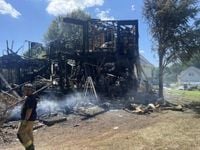
On a somber Sunday morning in Waldorf, Maryland, tragedy struck when a house fire claimed the lives of four children and two adults, marking the deadliest fire in the state in over a decade. The blaze erupted at a residence on the 3000 block of Declaration Court North, just south of Baltimore, around 8:40 a.m. on August 10, 2025, sending shockwaves through the local community and beyond.
Authorities reported that nine individuals were linked to the home. In the chaos, two people managed to escape the inferno, while two others were fortuitously absent when the fire broke out. The devastating loss left neighbors and first responders reeling, as the full scope of the tragedy became clear throughout the day. As of Sunday evening, officials had not released the names or ages of the victims, citing the ongoing investigation and the need to notify families first, according to reporting from WTOP and statements by the Maryland State Fire Marshal’s Office.
The fire’s origin was traced to the right side of the home, specifically within an enclosed porch, according to Master Deputy State Fire Marshal Oliver Alkire. The cause of the blaze, however, remained under investigation as of Monday, with no immediate answers forthcoming. Alkire noted, “The house was built in a year when they should’ve had hard-wired smoke alarms. I can’t confirm if they were actually activated.” His remarks echoed a growing concern among fire officials about the role of smoke detectors in this tragedy.
Within minutes of the first emergency call, the Waldorf Volunteer Fire Department, Charles County Volunteer Fire and Emergency Medical Services, Deputy State Fire Marshals, and the Charles County Sheriff’s Office descended on the scene. In total, more than 70 personnel responded, battling the flames for over an hour before they finally brought the fire under control. Even then, the damage was extensive, and the loss of life was already apparent.
The firefighting effort was not without its own dangers. One firefighter had to be hospitalized for emergency treatment, while another first responder received care at the scene for unspecified injuries. The sheer scale of the response and the hazards faced by those on the front lines were a testament to the severity of the incident. Heavy machinery was slated to arrive later that afternoon to help sift through the debris, as crews continued searching for additional victims and clues.
From the outset, the incident drew widespread attention, not just for the scale of the loss but for what it revealed about fire safety. Acting State Fire Marshal Jason M. Mowbray addressed the community’s grief, stating, “This is an unimaginable loss for the community. In times like this, we must come together to support one another and remember the importance of fire safety in our homes.” His words, reported by WTOP and the Associated Press, struck a chord with residents and officials alike.
Perhaps most haunting was the uncertainty surrounding the home’s smoke alarms. Despite the house being constructed in an era when hard-wired alarms were required by code, officials could not confirm whether any alarms were present or functioning at the time of the fire. Alkire told reporters, “We have no reports of someone hearing a smoke alarm activating, so it just shows you the importance of how important those life-saving devices are.” The lack of audible alarms became a focal point in the aftermath, as investigators and public safety advocates reiterated the need for working smoke detectors in every home.
The fire’s rapid spread and high death toll underscored the unpredictable and deadly nature of residential fires. According to WTOP’s Jimmy Alexander, “the house was engulfed in flames, and (fire officials) said it took them over an hour to get the fire in under control.” The speed with which the blaze consumed the structure left little time for those inside to escape, a reality that has become all too familiar in similar tragedies across the country.
As the investigation continued, officials urged the public to take proactive steps in safeguarding their homes. The fire marshal’s office recommended that families not only install and regularly test smoke alarms but also conduct fire drills at home. “The incident serves as a reminder to ensure locals have working alarms in their homes,” Alexander reported, echoing the sentiments of fire safety experts nationwide. Regular drills, officials stressed, can mean the difference between life and death, especially for children and those with mobility challenges.
The emotional toll on first responders and the community was palpable. The sight of flames and the knowledge that lives were lost weighed heavily on everyone involved. “This is the deadliest fire in Maryland in more than 10 years,” Alkire told the press, a stark reminder of the stakes involved in fire prevention and emergency response. Such events, while rare, leave a lasting mark on the collective memory of a community.
In the wake of the fire, neighbors rallied to support the survivors and the families of the victims. Community organizations began coordinating relief efforts, offering everything from temporary housing to counseling services for those affected. The outpouring of support reflected the resilience of Waldorf’s residents and their determination to help one another through the darkest of times.
While investigators continued their painstaking work, bringing in heavy equipment to remove debris and searching for additional evidence, the broader conversation turned to fire safety advocacy. State and local officials pledged to review building codes and public awareness campaigns, hoping to prevent future tragedies. The incident also renewed calls for stricter enforcement of smoke alarm regulations and increased funding for fire prevention initiatives.
For many, the unanswered questions lingered: What caused the fire to ignite so quickly? Could more have been done to save those inside? And most pressingly, were there working smoke alarms that might have provided a crucial warning? Until the investigation yields definitive answers, these questions will remain at the forefront of community discussions.
As Waldorf and the wider Maryland community mourn, the lessons from this tragedy are clear. Fire can strike without warning, and the presence of working smoke alarms and a practiced escape plan are essential defenses. The memory of those lost will serve as a somber reminder of the importance of vigilance and preparedness in every household.